
 |
||
 |
||
 |
||
 |
||
 |
||
 |
||


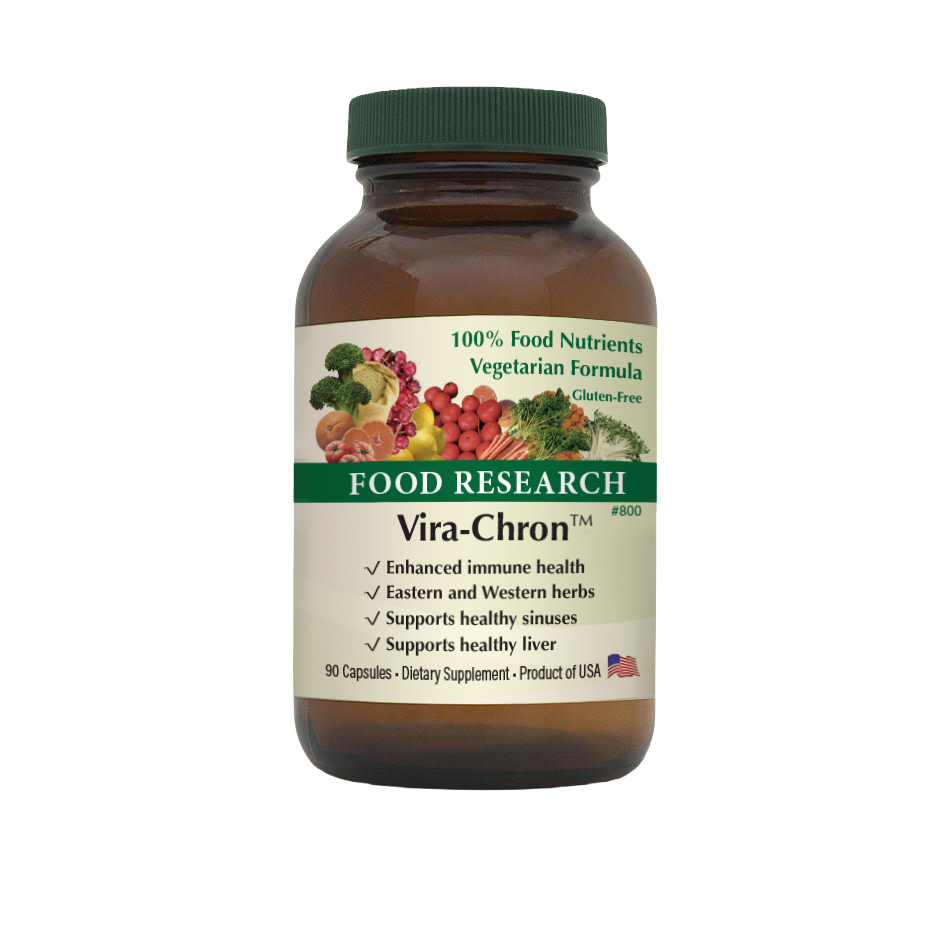
There are numerous viruses and the number of them that affect human beings seems to increase each year. Historically, various oriental and occidental herbs have been used to support the immune system in order to help the human body cope with them, and sometimes drive them into “permanent remission.”
Consumption of combinations of herbs, such as those listed here, have been resulted in hearing clinical reports of driving herpes into “permanent remission,” greatly reduce symptoms associated with the common cold & pneumonia, eliminating/minimizing cold sores, help those with various forms of hepatitis, and otherwise cope with viruses. These herbs are generally not recommended for pregnant nor lactating women nor infants.
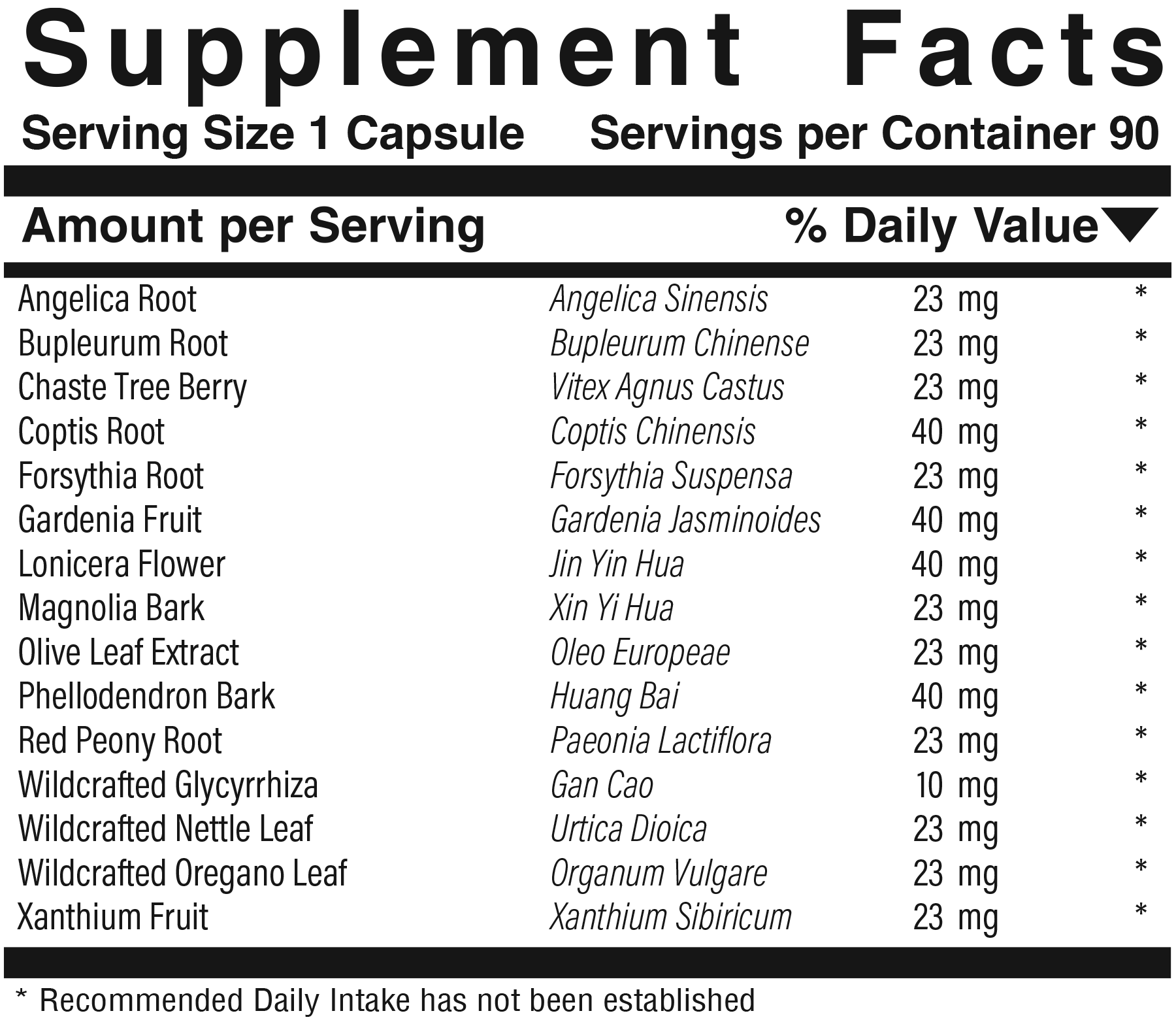
Other Ingredients: Vegetarian (HPMC) Capsule.
Suggested use: Serving size or as recommended by your health care professional. Adjust usage according to nutritional lifestyle requirements.
Angelica Bai zhi: In traditional Chinese medicine it is believed to “expel wind-cold, alleviate pain – supraorbital pain, congestion, toothache -clears swelling, expel pus – early stage, carbuncles, sores, ulcer -expel dampness – leucorrhea -opens nasal passages for nasal congestion” [1]. Because of its abortive potential, etc. it is not advised during pregnancy. One study found that a version of it “exhibited some anti-HIV activity” [2]. One of its components has been found to have a “synergistic effect with Combivir” [3], an anti-AIDS drug.
Bupleurum Chai hui: “Saikosaponins, the main active constituents of Bupleurum spp., have been shown to possess immunomodulatory, hepatoprotective, anti-tumor and anti-viral activities… saikosaponin c exhibits anti-HBV activity” [4]. WebMD states, “Bupleurum is used for respiratory infections, including the flu (influenza), swine flu, the common cold, bronchitis, and pneumonia; and symptoms of these infections, including fever and cough” [5]. Based upon its effects on the H1N1 virus, one study concluded that an extract could “be developed as an antivirus agent” [6]. One variety was found to possess anti-viral effects against the coxsackie B virus type 1 [7].
Coptis Huang Lian: “Coptis is a small, perennial herb found in North America, Greenland, Iceland and Siberia… Coptis was originally used by Native Americans to treat canker sores and mouth sores. In traditional Chinese medicine, it is used for gastrointestinal problems, diarrhea, hypertension, and bacterial infections. The plant’s roots contain berberine, which can be used as an anti-inflammatory and antibacterial, and berberine-like alkaloids which are believed to facilitate healing” [8]. It is sometimes called Canker root. Coptis has been found to have protective anti-viral effects on cells [2]. It also appears to have inhibitory effects on certain viruses [9,10]. One study reported that it reduced inflammation of the colon [11].
Forsythia Lian qiao: Forsythia has been found to work “by indirectly suppressing the virus proliferation via regulating the immune systems in hosts, and also, by directly inhibiting virus proliferation through targeting viral proteins essential for the viral life cycle” [12]. It contains a substance which “inhibits the avian infectious bronchitis virus” at least in vitro [13]. It also contains a substance that was found to have anti-respiratory syncytial virus replication effects in vitro [14].
Gardenia Zhi zi: “According to the principles of traditional Chinese medicine, gardenia …purges heat; dispels damp heat; disperses fire; and cools blood” [15]. One study found that gardenia had the most protective anti-viral effects on cells of various herbs tested [2]. One study found that components of it had moderate inhibitory affects against the H1N1 virus [16]. Gardenia has been found to have many substances that may contribute to its anti-influenza properties [17]. Another study found that at least one of its components had protective effects on cells exposed to an influenza-type virus [18]. An animal study concluded that at least one of its components may exert an inhibition effect of viral replication on herpes [19]. Another animal study found that “six kinds of viruses were inhibited significantly…influenza viral pneumonia” [20]. “Gardenia jasminoids Ellis (Rubiaceae), and has been widely used to treat acute hepatitis with jaundice” and in combination with other herbs has been found to protect cells from viral infection as well as “to inhibit infections by HSV-1 and HSV-2 and this effect was likely mediated through direct inactivation of the virus infectivity” [21]. Gardenia also contains a carotenoid called c rocetin which has been found to prevent retinal damage in vitro and in vivo [22].
Glycerrhiza Gan cao: Is also known as licorice. WebMD reports, “Licorice is used for various digestive system complaints including stomach ulcers, heartburn, colic, and ongoing inflammation of the lining of the stomach (chronic gastritis). Some people use licorice for sore throat, bronchitis, cough, and infections caused by bacteria or viruses” [23]. Licorice, even “low appropriate doses, anti-inflammatory, anti-diabetic, antioxidant, anti-tumor, antimicrobial and anti-viral properties have been reported by researchers worldwide” [24]. Various forms have been found to be “effective against HRSV infection on airway epithelial cells. Radix Glycyrrhizae inhibited HRSV mainly by preventing viral attachment, internalization, and by stimulating IFN secretion” [25].
Lonicera Jin yin hua: Is also known as honeysuckle. WebMD states, “Honeysuckle is used for digestive disorders including pain and swelling (inflammation) of the small intestine (enteritis) and dysentery; upper respiratory tract infections including colds, influenza, swine flu, and pneumonia; other viral and bacterial infections; swelling of the brain (encephalitis); fever; boils; and sores. Honeysuckle is also used for urinary disorders, headache, diabetes, rheumatoid arthritis, and cancer. Some people use it to promote sweating, as a laxative, to counteract poisoning, and for birth control” [26]. Lonicera has been found to work “by indirectly suppressing the virus proliferation via regulating the immune systems in hosts, and also, by directly inhibiting virus proliferation through targeting viral proteins essential for the viral life cycle” [2]. Components seem to have anti-influenza virus effects [27]. Lonicera has at least one component that have been found to be effective in inhibiting chronic hepatitis C virus infection [28].
Magnolia Xin yi hua:
“In traditional Chinese medicine, magnolia flower has pungent and warm
properties, and is associated with the Lung and Stomach meridians.
Magnolia flower is typically used to treat nasal conditions, such as
stuffy nose, nasal obstructions, congestion, and sinus headaches”
[29]. A substance contained in magnolia has “been shown to
inhibit hepatitis C virus (HCV) infection in vitro...It… inhibits HCV
infection by targeting cell entry and replication” [30].
Moutan Mu dan pi:
Also known as peony. One study concluded that a peony extract
“could be beneficial at preventing HRSV infection by inhibiting viral
attachment, internalization, and stimulating IFN secretion” (Human
Respiratory Syncytial Virus) [31]. One or more substances in its
root is believed to be an effective agent against the hepatitis B virus
[32]. One study of herbs found that peony was amongst those that
“possess the strongest anti-Coxsackie virus B3 activity on viral
replication” [33]. Related to herpes simplex, an “extract of
Paeonia suffruticosa prevented the process of virus attachment and
penetration” [34].
Olive Leaf Oleo europaea: Olive leaf extract (OLE) “inhibits acute infection and cell-to-cell transmission of HIV-1 as assayed by syncytia formation using uninfected MT2 cells co-cultured with HIV-1-infected H9 T lymphocytes. OLE also inhibits HIV-1 replication as assayed by p24 expression in infected H9 cells. These anti-HIV effects of OLE are dose dependent, with EC(50)s of around 0.2 microg/ml. In the effective dose range, no cytotoxicity on uninfected target cells was detected” [36]. “The antimicrobial potential of eight phenolic compounds isolated from olive cake was tested against the growth of Escherichia coli, Klebsiella pneumoniae, Bacillus cereus, Aspergillus flavus and Aspergillus parasiticus. The phenolic compounds included p-hydroxy benzoic, vanillic, caffeic, protocatechuic, syringic, and p-coumaric acids, oleuropein and quercetin. Caffeic and protocatechuic acids (0.3 mg/ml) inhibited the growth of E. coli and K. pneumoniae. The same compounds apart from syringic acid (0.5 mg/ml) completely inhibited the growth of B. cereus. Oleuropein, and p-hydroxy benzoic, vanillic and p-coumaric acids (0.4 mg/ml) completely inhibited the growth of E. coli, K. pneumoniae and B. cereus. Vanillic and caffeic acids (0.2 mg/ml) completely inhibited the growth and aflatoxin production by both A. flavus and A. parasiticus, whereas the complete inhibition of the moulds was attained with 0.3 mg/ml p-hydroxy benzoic, protocatechuic, syringic, and p-coumaric acids and quercetin” [36]. Research has concluded that oleuropein “showed significant antiviral activities against” respiratory syncytial virus and parainfluenza type 3 virus” [37] and “can possess antibacterial action” [38]. It is believed that oleuropein from olive leaves is converted into elenolic acid in the body—elenolic compounds are believed to have “a killer effect against many viruses, bacteria and other microbes” [39]. “Upjohn found that one of the ingredients of olive leaf extract, calcium elenolate, destroyed every harmful virus, bacteria, yeast, fungi and protozoan it was exposed to in vitro,” but that it lasted only minutes in vivo [39]—that is one of the reasons why concentrated olive leaf Food should be better for humans than any of its isolated components.
Phellodendrum Huang bai: “The name "huang bai" comes from the bright yellow color of the plant's inner bark, which is used in herbal preparations… In traditional Chinese medicine, phellodendron bark is considered to have bitter and cold properties, and is associated with the Kidney and Bladder meridians. Its main functions are to drain damp heat and kidney fire. Among the conditions it is used to treat are diarrhea, dysentery, swollen joints in the legs, and jaundice. Phellodendron bark is often used in conjunction with other herbs” [40]. Phellodendrum has been found to have “antiviral activity on herpes simplex virus” [41]. An extract was found to have anti-coronaviral effects [42].
Stinging Nettle Urtica dioica: It has been used to support healthy lungs and sinuses [35,43]. “A study concerning a lectin present found in nettle suggest a potent and selective inhibitor for HIV and cytomegalovirus replication” [43].
Vitex Man jing zi: Also known as chaste tree. “Chaste tree is reportedly effective in treating endocrine disorders” [43]. Extracts have exerted “intracellular antiviral activity” and ” inhibited virus propagation” [44].
Wild Oregano Origanum vulgare: The PDR for Herbal Medicines states that its “essential oil, which contains carvacrol, is antimicrobial in vitro” and that “Oregano herb is used for respiratory disorders such as coughs, inflammation of the mucous membranes, and as an expectorant…In China, Oregano is used for colds, fevers, vomiting, dysentary, jaundice, and malnutrition for children” [45]. “Origanum oil…possesses a broad spectrum of in vitro antimicrobial activities attributed to the high content of phenolic derivatives such as carvacrol and thymol…Using Candida albicans in broth cultures and a micro dilution method, comparative efficacy of origanum oil…in vitro. Origanum oil at 0.25 mg/ml was found to completely inhibit the growth of C. albicans in culture…mice fed origanum oil exhibited cosmetically better clinical appearance compared to those cured with carvacrol. The results from our study encourage examination of the efficacy of origanum oil in other forms of systemic and superficial fungal infections and exploration of its broad spectrum effect against other pathogenic manifestations including malignancy,” especially with an olive extract [46].
Xanthium Cang er zi:
“In traditional Chinese medicine, it is used to dispel wind and damp,
and is one of the most important herbs used for sinus congestion,
chronic nasal obstructions and discharges, and respiratory allergies”
[47]. Xanthium components have been found to have antibacterial
and cytotoxic properties [48].
Nutrition from food, what a concept!
Vira-Chron Video
References
[1]
Bai zhi—angelica root. TCM Herb Pictures.
http://tcm.health-info.org/Herbology.Materia.Medica/baizhi-properties.htm
viewed 07/11/13
[2] Kato T, Horie N, Matsuta T, Naoki U, Shimoyama
T, Kaneko T, Kanamoto T, Terakubo S, Nakashima H, Kusama K, Sakagami
H. Anti-UV/HIV activity of Kampo medicines and constituent plant
extracts. In Vivo. 2012 Nov-Dec;26(6):1007-13
[3] Yang T, Jia M, Yue Z, Cheng Y, Zhang X, Huang J, Zhou S, Mei Q.
Synergistic antivirus effect of combined administration of Combivir
with Angelica polysaccharide sulfate. Int J Biol Macromol. 2013
Feb;53:122-6.
[4] Chiang LC, Ng LT, Liu LT, Shieh DE, Lin CC. Cytotoxicity and
anti-hepatitis B virus activities of saikosaponins from Bupleurum
species. Planta Med. 2003 Aug;69(8):705-9
[5] Bupleurum. WebMD.
http://www.webmd.com/vitamins-supplements/ingredientmono-650-BUPLEURUM.aspx?activeIngredientId=650&activeIngredientName=BUPLEURUM
viewed 07/11/13
[6] Wen S, Huifu X, Hao H. In vitro anti-influenza A H1N1 effect
of extract of Bupleuri Radix. Immunopharmacol Immunotoxicol. 2011
Sep;33(3):433-7
[7] Cheng PW, Chiang LC, Yen MH, Lin CC. Bupleurum kaoi inhibits
Coxsackie B virus type 1 infection of CCFS-1 cells by induction of type
I interferons expression. Food Chem Toxicol. 2007 Jan;45(1):24-31
[8] Coptis (huang lian). Acupuncture Today.
http://www.acupuncturetoday.com/herbcentral/coptis.php viewed
07/11/13
[9] Jia F, Zou G, Fan J, Yuan Z. Identification of palmatine as
an inhibitor of West Nile virus. Arch Virol. 2010
Aug;155(8):1325-9. doi: 10.1007/s00705-010-0702-4
[10] Anon. Berberine. Altern Med Rev. 2000 Apr;5(2):175-7
[11] Luo Y, Zhao H, Liu Z, Ju D, He X, Xiao C, Zhong G, Chen S, Yang D,
Chan AS, Lu A. Comparison of the enteric mucosal immunomodulatory
activity of combinations of Coptis chinensis Franch. Rhizomes and
Evodia rutaecarpa (Juss.) Benth. Fruits in mice with dextran sulphate
sodium-induced ulcerative colitis. Planta Med. 2010
May;76(8):766-72
[12] Wang X, Xu X, Li Y, Li X, Tao W, Li B, Wang Y, Yang L.
Systems pharmacology uncovers Janus functions of botanical drugs:
activation of host defense system and inhibition of influenza virus
replication.] Integr Biol (Camb). 2013 Jan 28;5(2):351-71
[13] Li H, Wu J, Zhang Z, Ma Y, Liao F, Zhang Y, Wu G.
Forsythoside a inhibits the avian infectious bronchitis virus in cell
culture. Phytother Res. 2011 Mar;25(3):338-42
[14] Chen Y, Li X, Zhou JY, Yang QW, Li H. [Effect of an active
component from Forsythia suspensa (Thunb.) Vahl against respiratory
syncytial virus in vitro.] Wei Sheng Yan Jiu. 2009 Nov;38(6):733-5
[15] Gardenia (zhi zi). Acupuncture Today.
http://www.acupuncturetoday.com/herbcentral/gardenia.php viewed 07/11/13
[16] Li HB, Yu Y, Wang ZZ, Dai Y, Gao H, Xiao W, Yao XS. Iridoid
and bis-iridoid glucosides from the fruit of Gardenia
jasminoides. Fitoterapia. 2013 Apr 6;88C:7-11
[17] Yang Q, Wu B, Shi Y, Du X, Fan M, Sun Z, Cui X, Huang C.
Bioactivity-guided fractionation and analysis of compounds with
anti-influenza virus activity from Gardenia jasminoides Ellis.
Arch Pharm Res. 2012 Jan;35(1):9-17
[18] Guo SS, Huang Y, Zhao Y, Gao YJ, Gong WF, Cui XL. [Effect of
extracted ZG from gardenia on Hep-2 cell membrane post infected with
parainfluenza virus type 1 (PIV-1)]. Bing Du Xue Bao. 2007
Sep;23(5):384-8
[19] Shi YJ, Huang Y, Jiang J, Guo SS, Su D, Zhao Y, Gao YJ, Cui
XL. [Effect of the gardenia extracts-T9 on viral replication and
IFN-gamma mRNA in Herpes simplex virus type-1 infected mice
brains.] Bing Du Xue Bao. 2009 Jan;25(1):41-6
[20] Wang YZ, Cui XL, Gao YJ, Guo SS, Wang XK, Huang Y, Zhao Y, Gong
WF. [Antivirus effects of extract from gardenia.] Zhongguo
Zhong Yao Za Zhi. 2006 Jul;31(14):1176-8
[21] Cheng HY, Lin LT, Huang HH, Yang CM, Lin CC. Yin Chen Hao
Tang, a Chinese prescription, inhibits both herpes simplex virus type-1
and type-2 infections in vitro. Antiviral Res. 2008 Jan;77(1):14-9
[22] Yamauchi M, Tsuruma K, Imai S, Nakanishi T, Umigai N, Shimazawa M,
Hara H. Crocetin prevents retinal degeneration induced by
oxidative and endoplasmic reticulum stresses via inhibition of caspase
activity. Eur J Pharmacol. 2011 Jan 10;650(1):110-9
[Licorice. WebMD.
http://www.webmd.com/vitamins-supplements/ingredientmono-881-LICORICE.aspx?activeIngredientId=881&activeIngredientName=LICORICE
viewed 07/11/13]
[23] Licorice. WebMD.
http://www.webmd.com/vitamins-supplements/ingredientmono-881-LICORICE.aspx?activeIngredientId=881&activeIngredientName=LICORICE
viewed 07/11/13
[24] Ming LJ, Yin AC. Therapeutic effects of glycyrrhizic acid. Nat Prod Commun. 2013 Mar;8(3):415-8
[25] Feng Yeh C, Chih Wang K, Chai Chiang L, Shieh DE, Hong Yen M, San
Chang J. Water extract of licorice had anti-viral activity
against human respiratory syncytial virus in human respiratory tract
cell lines. J Ethnopharmacol. 2013 Jul 9;148(2):466-73
[26] Honeysuckle. WebMD.
http://www.webmd.com/vitamins-supplements/ingredientmono-512-HONEYSUCKLE.aspx?activeIngredientId=512&activeIngredientName=HONEYSUCKLE
viewed 07/11/13
[27] Zhang H, Song J, Shi J. [Screen anti-influenza virus serum
marker of Lonicera japonica by proteomics technology]. Zhongguo
Zhong Yao Za Zhi. 2011 Apr;36(8):1071-4
[28] Wang SY, Tseng CP, Tsai KC, Lin CF, Wen CY, Tsay HS, Sakamoto N,
Tseng CH, Cheng JC. Bioactivity-guided screening identifies
pheophytin a as a potent anti-hepatitis C virus compound from Lonicera
hypoglauca Miq. Biochem Biophys Res Commun. 2009 Jul
24;385(2):230-5
[29] Magnolia Flower (xin yi hua). Acupuncture Today.
http://www.acupuncturetoday.com/herbcentral/magnolia_flower.php viewed
07/11/13
[30] Lan KH, Wang YW, Lee WP, Lan KL, Tseng SH, Hung LR, Yen SH, Lin
HC, Lee SD. Multiple effects of Honokiol on the life cycle of
hepatitis C virus. Liver Int. 2012 Jul;32(6):989-97
[31] Lin TJ, Wang KC, Lin CC, Chiang LC, Chang JS. Anti-Viral
Activity of Water Extract of Paeonia lactiflora Pallas Against Human
Respiratory Syncytial Virus in Human Respiratory Tract Cell
Lines. Am J Chin Med. 2013;41(3):585-99
[32] Lee SJ, Lee HK, Jung MK, Mar W. In vitro antiviral activity
of 1,2,3,4,6-penta-O-galloyl-beta-D-glucose against hepatitis B
virus. Biol Pharm Bull. 2006 Oct;29(10):2131-4
[33] Guo JP, Pang J, Wang XW, Shen ZQ, Jin M, Li JW. In vitro
screening of traditionally used medicinal plants in China against
enteroviruses. World J Gastroenterol. 2006 Jul 7;12(25):4078-81
[34] Hsiang CY, Hsieh CL, Wu SL, Lai IL, Ho TY. Inhibitory effect
of anti-pyretic and anti-inflammatory herbs on herpes simplex virus
replication.] Am J Chin Med. 2001;29(3-4):459-67
[35] Lee-Huang S, Zhang L, Huang PL, Chang YT, Huang PL. Anti-HIV
activity of olive leaf extract (OLE) and modulation of host cell gene
expression by HIV-1 infection and OLE treatment. Biochem Biophys Res
Commun. 2003; 307(4): 1029-1037
[36] Aziz NH, Farag SE, Mousa LA, Abo-Zaid MA. Comparative
antibacterial and antifungal effects of some phenolic compounds.
Microbios. 1998; 93(374): 43-54
[37 Ma SC, He ZD, Deng XL, But PP, Ooi VE, Xu HX, Lee SH, Lee SF. In
vitro evaluation of secoiridoid glucosides from the fruits of Ligustrum
lucidum as antiviral agents. Chem Pharm Bull ( Tokyo). 2001; 49(11):
1471-1473
[38] Garrido-Fernandez A, Vaughn RH. Utilization of oleuropein by
microorganisms associated with olive fermentations. Can J Microbiol.
1978; 24(6): 680-684
[39] Concoby R, dir. The Olive Leaf: Unequalled Immune Support for
Health and Longevity, 5 th printing. National Life Extension Institute,
Inc., Kent (OH), 1999
[40] Phellodendrum (huang bai). Acupuncture Today.
http://www.acupuncturetoday.com/herbcentral/phellodendron.php viewed
07/11/13
[41] Wang W, Zu Y, Fu Y, Reichling J, Suschke U, Nokemper S, Zhang
Y. In vitro antioxidant, antimicrobial and anti-herpes simplex
virus type 1 activity of Phellodendron amurense Rupr. from China.
Am J Chin Med. 2009;37(1):195-203
[42] Kim HY, Shin HS, Park H, Kim YC, Yun YG, Park S, Shin HJ, Kim
K. In vitro inhibition of coronavirus replications by the
traditionally used medicinal herbal extracts, Cimicifuga rhizoma,
Meliae cortex, Coptidis rhizoma, and Phellodendron cortex. J Clin
Virol. 2008 Feb;41(2):122-8
[43] DerMardensoian A, ed. The Review of Natural Products. Facts and Comparisons, 2001
[44] Gonçalves JL, Leitão SG, Monache FD, Miranda MM, Santos MG,
Romanos MT, Wigg MD. In vitro antiviral effect of flavonoid-rich
extracts of Vitex polygama (Verbenaceae) against acyclovir-resistant
herpes simplex virus type 1. Phytomedicine. 2001 Nov;8(6):477-80
[45] Gruenwald J, Brendler T, Jaenicke C, editors. PDR for Herbal
Medicines, 2 nd ed. Medical Economics, Montvale (NJ), 2000
[46] Manohar V, Ingram C, Gray J, Talpur NA, Echard BW, Bagchi D,
Preuss HG. Antifungal activities of origanum oil against Candida
albicans. Mol Cell Biochem. 2001; 228(1-2): 111-117
[47] Xanthium Fruit (cang er zi). Acupuncture Today.
http://www.acupuncturetoday.com/herbcentral/xanthium.php viewed 07/11/13
[48] Tsankova ET, Trendafilova AB, Kujumgiev AI, Galabov AS, Robeva
PR. Xanthanolides of Xanthium italicum Moretti and their
biological activity. Z Naturforsch C. 1994 Jan-Feb;49(1-2):154-5
Some of these studies (or citations) may not conform to peer review standards, therefore, the results are not conclusive. Professionals can, and often do, come to different conclusions when reviewing scientific data. None of these statements have been reviewed by the FDA. All products distributed by Doctors’ Research, Inc. are nutritional and are not intended for the treatment or prevention of any medical condition.
 |
||
|
||