
 |
||
 |
||
 |
||
 |
||
 |
||
 |
||

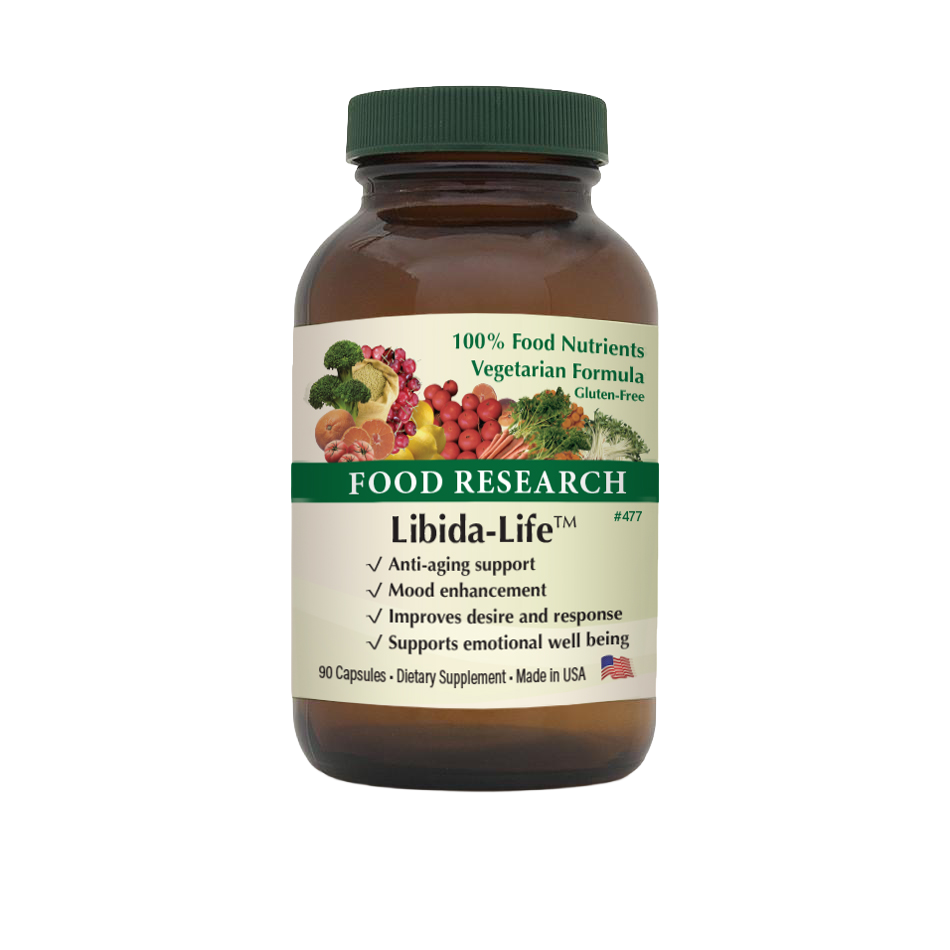
Libida-Life is a 100% Food supplement that is intended to have anti-aging properties and support a healthy sexual response system. It contains minerals, herbs, and the amino acids; zinc, selenium, astragalus, L-arginine, L-ornithine, maca, silymarin from Milk Thistle, and a resveratrol are all believed to have antioxidant abilities.
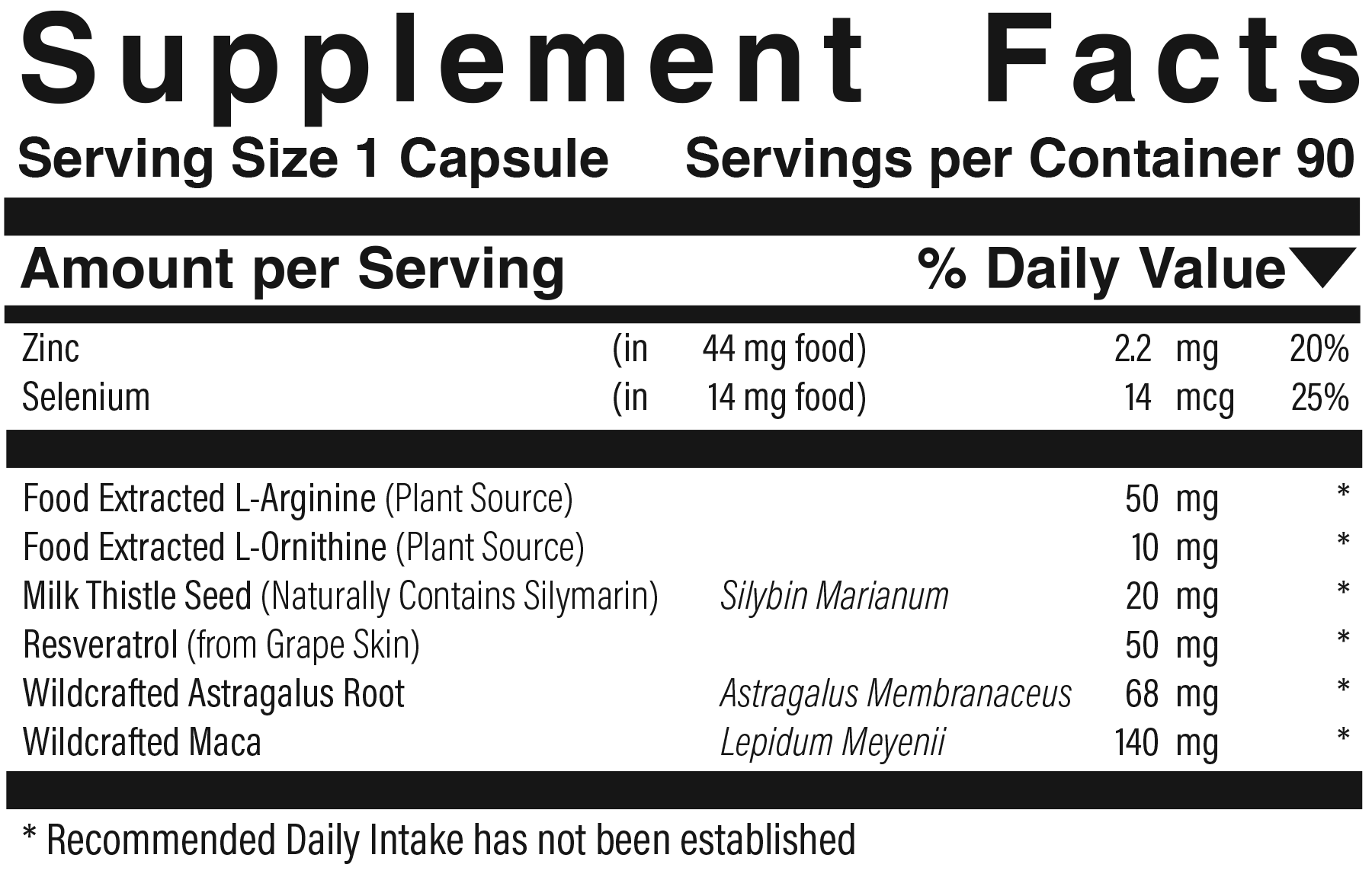
Other Ingredients: Enzymatically processed Saccharomyces Cerevisiae, Vegetarian (HPMC) Capsule.
Suggested use: Serving size or as recommended by your health care professional. Adjust usage according to nutritional lifestyle requirements.
Astragulus, according to the PDR, “has immunostimulant, antioxidant, antiviral, hepatoprotective, and cardiotonic properties” [1]. It also seems to improve sperm motility [1]. “Astragalus membranaceus inhibits lipid peroxidation in rat heart mitochondria” [1]; some believe it also has libido improving effects. A small study found that “a small-molecule activator of telomerase (TA-65) purified from the root of Astragalus membranaceus is capable of increasing average telomere length and decreasing the percentage of critically short telomeres and of DNA damage in haploinsufficient mouse embryonic fibroblasts (MEFs) that harbor critically short telomeres and a single copy of the telomerase RNA Terc gene (G3 Terc(+/-) MEFs)” [2]. Some take it to slow down the aging process [3]. Astragulus “increases stamina” [4]. Astragalus membranaceus should not be confused with other varieties, such as Astragalus lentiginosus (known as locoweed). Astragalus membranaceus is not normally recommended for those with known autoimmune disorders or bleeding issues [1], though others seemingly disagree as they classify it as an herb without restriction [5].
L-Arginine is an amino acid. It is considered a semi-essential or conditionally essential amino acid [6]. Arginine plays an important role in cell division, removing ammonia from the body, immune function, healing of wounds, and the release of hormones [6]. It seems to have antioxidant and cardioprotective properties [6]. Some athletes believe it helps with building of muscle [6]. Various researchers have suggested that its impairment decreases libido for both males [6-7] and females [8-9] and that supplemental arginine along with other herbs may assist libido. A placebo-controlled study concluded that “Arginine and ornithine supplementation increases growth hormone and insulin-like growth factor-1 serum levels after heavy-resistance exercise in strength-trained athletes” [10].
L-Ornithine is a non-protein amino acid [6]. It seems to improve human growth hormone production in conjuction with l-arginine [10]. Once converted into ornithine alpha-ketogluturate it “appears to decrease protein catabolism and/or increase protein synthesis” at “least in burn, trauma, surgical, and chronically undernourished patients” [6]. Ornithine (in various forms) is popular with athletes [6].
Maca Ledidium meyenii is an antioxidant that seems to support healthy memory function. An animal study found “black maca improved experimental memory impairment induced by ovariectomy, due in part, by its antioxidant and Ache inhibitory activities” [11]. It also seems to improve sperm motility/fertility [12]. Historically it has been used to enhance energy and libido [13], hence improving sexual response. One double-blind human study confirmed its ability to enhance libido [14]. A smaller study found it improved both athletic performance and libido [15].
Milk thistle in Libida-Life is 80% silymarin. Silymarin’s constituents include silibinin, dehydrosilibinin, silychristin and silydianin. “The hepatoprotective activity of the seed is from silymarin, in particular silychristin and silydianin. The compounds seem to inhibit the entrance of toxins and block toxin-binding sites through alteration of the liver’s outer membrance…Milk Thistle herb…is used for toxic liver damage, adjunctive treatment in chronic inflamatory liver disease and hepatic cirrhosis” [1]. Silymarin constituents have been shown to have chemoprotective and other positive effects in animals [16]. Animal studies show that silymarin combinations have helped mental, behaviorial, and social development for those exposed to ethanol in-utero [17]. Silymarin has also been found to be protective against UV-radiation [18]. Silymarin has been found to retard the progression of alcohol-induced hepatic fibrosis in baboons [19]. “Silibinin is a flavonoid antioxidant and wildly used for its antihepatotoxic properties and recent studies have revealed pleiotropic anticancer and antiproliferative capabilities of silibinin” [20].
Resveratrol is considered to be a powerful antioxidant, and that may be why it may have “cardioprotective action” [6]. Grape seeds, but mainly grape skin, contains resveratrol which has antioxidant abilities and may be “associated with a reduced incidence of cardiovascular disease and a reduced incidence of cancer” [6]. Resveratrol is prized by many for its anti-aging properties and “has recently been found to possess glutathione-sparing activity” [6]. It may also improve male fertility and female hormones. It appears it may have limited ability to induce telomerase [21], hence act as a potentially anti-aging food. Some take it to slow down the aging process [3]. The PDR indicates that it may inhibit certain problems in human breast cells, at least in vitro [6].
Selenium The three most common forms of selenium in supplements are sodium selenite, seleniomethionine, and Food selenium. The predominant form of selenium found in the body (and in Food selenium) is selenocysteine [22]. A study using 247 mcg/day of high-selenium yeast found that plasma selenium levels were 2-fold higher than baseline values after 3 and 9 months and returned to 136% of baseline after 12 months, whereas there was a 32% increase in blood glutathione levels also seen after 9 months [23]. This change coincided with a 26% decrease in protein-bound glutathione and a 44% decrease in the ratio of protein-bound glutathione to blood glutathione. The changes in glutathione and protein-bound glutathione were highly correlated with changes in plasma selenium levels and were believed to reflect a reduction in oxidative stress, thus it appears that Food selenium is a much stronger antioxidant than non-food forms. Oxidative stress can result in the production of glycation end-products tend to also accumulate in the brains of those who develop Alzheimer’s or similar forms of dementia [24]. Selenium seems to support thyroid hormone production, function as part of many enzymes, have antioxidant effects, and supports cardiovascular health [22]. It has been reported that yeast selenium seems to reduce toxicity associated with cisplatin chemotherapy [25] and cancer mortality in some [26]. Based on animal research, Dr. David Williams claims that selenium is “better than a flu shot”, because selenium-deficiency “may cause a harmless strain of the flu virus to mutate into a virulent pathogen” and that selenium may reduce lung-damage associated with the flu [27].
Food selenium is the preferred form for dealing with the accumulation of advanced protein-glycation end-products, that occur in people with Alzheimer’s, diabetes, and Down syndrome [28].
“Superoxide dismutase (S.O.D.) is one of the most important enzymes that function as cellular antioxidants...The absence of this enzyme is lethal” [29]. “It protects intracellular components from oxidative damage, converting the superoxide ion to hydrogen peroxide” [29]. S.O.D. appears to be able to prevent activation of “phospholipase A2 and proanoid synthesis by scavenging free radicals, thereby reducing lipid peroxidation products” [30]. It is a powerful free radical scavenger which has been clinically shown to protect the brain, heart, liver, lungs, kidneys, skin, muscles, penis, nerves, and spinal cord from ischemic injury [31]. S.O.D. has been shown to inhibit articular tissue damage associated with osteoarthritis, decreases lipid peroxidation in damaged skin cells, protect against late radiation-induced tissue injury, improves clinical symptoms associated with Bechet’s syndrome, helps protect the retina, helps protect against iron toxicity, inhibits vasogenic brain edema after brain injury, increases flu survival rates in mice, plays a role in bacterial defense, helps normalize blood pressure, helpful for cardiovascular problems, reduces LDL oxidation involved in atherosclerosis, is reduced in Alzheimer’s patients, improves sperm motility, and even helped patients with TMJ who did not respond to traditional therapy [32]. High levels of S.O.D. have been associated with reduced growth of Candida albicans [33]. S.O.D. is often sold in a “purified” version (from animal products) as an antiaging product [34]; S.O.D. seems to have “antiaging” properties [32]. Ingestion of polyethylene glycol-conjugated superoxide dismutase (an isolated form) is not as effective as Food CuZn (copper/zinc) superoxide dismutase [35-36]. CuZn superoxide dismutase, along with Mn superoxide dismutase [37], exists naturally, in certain vegan Foods.
Zinc is generally found in the human body attached to a peptide [29,38]; it is often attached with albumin [29,38] or alpha2-macroglobulin [1] or exists as part of one of the many zinc metalloenzymes [29,38]. Zinc, as found in Food, is in a complex matrix of peptides, carbohydrates and lipids. Zinc is not naturally found in the body as zinc citrate, zinc chloride, zinc picolinate, etc. Zinc deficiency in humans can cause alopecia, impotence, skin problems, immune deficiencies, increased susceptibility to infection/sore throats, night blindness, impaired taste, delayed wound healing, impaired appetite, photophobia (hypersensitivity to light), difficulty in dark adaptation, growth retardation, male infertility (low sperm counts), liver enlargement, and spleen enlargement [29,38].
Nutritional yeast is an excellent source of zinc because, “fermenting organisms produce phytases that break down phytate and increase the amount of absorbable zinc” [39]. Nutritional yeast also contains certain amino acids [40] that enhance the absorption of zinc [39]. Since diabetics seem to need zinc, and their deficiencies are refractory to zinc salts [41], food forms of zinc should also be a better choice for absorption for this population. Food zinc is the preferred form for dealing with the accumulation of advanced protein-glycation end-products, that occur in people with Alzheimer’s, diabetes, and Down syndrome [28].
Interestingly in 1999, the Nobel prize in medicine was awarded for the finding that humans need protein chaperones in order for minerals like selenium to be absorbed into the cell. Selenium and zinc mineral salts do not contain protein chaperones, yet Food selenium and food zinc naturally contains protein chaperones such as ceruloplasmin and ATX1 [42,43].
Libido itself has major impacts on aging and longevity. A Scottish study found that significantly more frequent sexual intercourse for women with their spouses can help both look 12 years younger than their “out-of-action counterparts” [44] (intercourse with multiple partners did not help).
One or two studies have reported that males between ages 45-59 who have sex 100 times or so per year had a death rate as much as 50% lower than that of the least sexually-active males, as intercourse appears to reduce risk of coronary heart disease for many men [44-46].
Libida-Life Video
References
[1] Gruenwald J, Brendler T, Jaenicke C, ed. PDR for Herbal Medicine, 4th ed. Thomson, Montvale (NJ) 2007
[2] de Jesus BB, Schneeberger K, Vera E, Tejera A, Harley CB, Blasco MA. The telomerase activator TA-65 elongates short telomeres and increases health span of adult/old mice without increasing cancer incidence. Aging Cell. 2011 Aug;10(4):604-21
[3] Hopper J. The man who would stop time. Popular Science, August 2011; 50-57;79-81
[4] Balch JF, Blach PA. Prescription for Nutritional Healing, 2nd ed. Avery Publishing Group, Garden City Park (NY), 1997: 65
[5] McGuffin, et al, editors. American Herbal Products Association Botanical Safety Handbook. CRC Press, Boston, 1997, p. 17
[6] Sheldon S, Rorvik D, eds. PDR for Nutritional Supplements. Medical Economics, Montvale, 2001
[7] Ratnasooriya WD, Dharmasiri MG, Wadsworth RM. Reduction in libido and fertility of male rats by administration of the nitric oxide (NO) synthase inhibitor N-nitro-L-arginine methyl ester. Int J Androl. 2000 Jun;23(3):187-91
[8] Kellogg-Spadt S, Albaugh JA. Herbs, amino acids, and female libido. Urol Nurs. 2003;23(2):160-161
[9] McKinney LN. Low Libido In Postmenopausal Women. NPs &PAs 2007. Vol. 15 (1): 28
[10] Zajac A, Poprzecki S, Zebrowska A, Chalimoniuk M, Langfort J. Arginine and ornithine supplementation increases growth hormone and insulin-like growth factor-1 serum levels after heavy-resistance exercise in strength-trained athletes. J Strength Cond Res. 2010 Apr;24(4):1082-90
[11] Rubio J, Qiong W, Liu X, Jiang Z, Dang H, Chen SL, Gonzales GF. Aqueous Extract of Black Maca (Lepidium meyenii) on Memory Impairment Induced by Ovariectomy in Mice. Evid Based Complement Alternat Med. 2008 Oct 9.
[12] Yucra S, Gasco M, Rubio J, Nieto J, Gonzales GF. Effect of different fractions from hydroalcoholic extract of Black Maca (Lepidium meyenii) on testicular function in adult male rats. Fertil Steril. 2008 May;89(5 Suppl):1461-7
[13] Dording CM, Fisher L, Papakostas G, Farabaugh A, Sonawalla S, Fava M, Mischoulon D. A double-blind, randomized, pilot dose-finding study of maca root (L. meyenii) for the management of SSRI-induced sexual dysfunction. CNS Neurosci Ther. 2008 Fall;14(3):182-91
[14] Balick MJ, Lee R. Maca: from traditional food crop to energy and libido stimulant. Altern Ther Health Med. 2002 Mar-Apr;8(2):96-8
[15] Stone M, Ibarra A, Roller M, Zangara A, Stevenson E. A pilot investigation into the effect of maca supplementation on physical activity and sexual desire in sportsmen. J Ethnopharmacol. 2009 Dec 10;126(3):574-6
[16] Chlopcikova S, Psotova J, Miketova P, Simanek V. Chemoprotective effect of plant phenolics against anthracycline-induced toxicity on rat cardiomyocytes. Part I. Silymarin and its flavonolignans. Phytother Res. 2004;18(2):107-110
[17] Busby A, La Grange L, Edwards J, King J. The use of a silymarin/phospholipid compound as a fetoprotectant from ethanol-induced behavioral deficits. J Herb Pharmcother. 2002;2(1):39-47
[18] Li LH, Wu LJ, Zhou B, Wu Z, Tashiro S, Onodera S, Uchiumi F, Ikejima T. Silymarin prevents UV irradiation-induced A375-S2 cell apoptosis. Biol Pharm Bull. 2004;27(7):1031-1036
[19] Lieber CS, Leo MA, Cao Q, Ren C, DeCarli LM. Silymarin retards the progression of alcohol-induced hepatic fibrosis in baboons. J Clin Gastroenterol. 2003;37(4):336-339
[20] Chu SC, Chiou HL, Clehen PN, Yang SF, Hsieh YS. Silibinin inhibits the invasion of human lung cancer cells via decreased productions of urokinase-plasminogen activator and matrix metalloproteinase-2. Mol Carcinog. 2004;40(3):143-149
[21] Uchiumi F, Watanabe T, Hasegawa S, Hoshi T, Higami Y, Tanuma S. The effect of resveratrol on the Werner syndrome RecQ helicase gene and telomerase activity. Curr Aging Sci. 2011 Feb;4(1):1-7
[22] Levander OA, Burk RF. Selenium. In Modern Nutrition in Health and Disease, 8th ed. Lea & Febiger, Phil., 1994:242-263
[23] El-Bayoumy K, Richie JP Jr, Boyiri T, Komninou D, Prokopczyk B, Trushin N, Kleinman W, Cox J, Pittman B, Colosimo S. Influence of Selenium-Enriched Yeast Supplementation on Biomarkers of Oxidative Damage and Hormone Status in Healthy Adult Males: A Clinical Pilot Study. Cancer Epidemiol Biomarkers Prev. 2002;11:1459-1465
[24] Rottkamp CA, Nunomura A, Raina AK, et al. Oxidative stress, antioxidants, and Alzheimer’s Disease. Alzheimer Dis Assoc Disord, 2000;14(S1):S62-S66
[25] Ya-Jun, H, et al. The protective role of selenium on the toxicity of cisplatin-contained chemotherapy regimen in cancer patients. Bio Trace Element Res, 1997;56:331-341
[26] Clark LC, et al. Effects of selenium supplementation for cancer prevention in patients with carcinoma of the skin. JAMA, 1996; 276:1957-1963
[27] Williams D. Selenium: Better than a flu shot. Alternatives for the Health Conscious Individual, 2002;9(18):142-143
[28] Thiel R., Fowkes S.W. Can cognitive deterioration associated with Down syndrome be reduced? Medical Hypotheses, 2005; 64(3):524-532
[29] Shils ME, Olson JA, Shike M. Modern Nutrition in Health and Disease, 8th ed. Lea & Febiger, Phil.,1994
[30] Targarona EM, et al. Transplantation Proceedings,1992;24(1):9-10
[31] King JC, Keen CL. Zinc. In Modern Nutrition in Health and Disease, 9th ed. Williams & Wilkins, Balt., 1999:223-239
[32] Null G. Superoxide Dismutase. In The Clinician’s Handbook of Natural Healing. Kensington Books, New York, 1997:137-144
[33] Romandini P, Bonotto C, Bertoloni G, Beltramini M, Salvato B. Superoxide dismutase, catalase and cell dimorphism in Candida albicans cells exposed to methanol and different temperature. Comp Biochem Physiol Pharm Toxicol Endocrinol,1994;108(1):53-57
1):7-10
[34] Whitney EN, Hamilton EMN. Understanding Nutrition, 4th ed. West Publishing, NY, 1987
[35] Haun SE, Kirsch JR, Helfaer MA, Kubos KL, Traystman RJ. Polyethylene glycol-conjugated superoxide dismutase fails to augment brain superoxide dismutase activity in piglets. Stroke,1991;22(5):655-659
[36] Tibell L, Aasa R, Marklund SL. Spectral and physical properties of human extracellular superoxide dismutase: a comparison with CuZn superoxide dismutase. Arch Biochem Biophys, 1993;304(2):429-433
[37] Turi TG, Kalb VF, Loper JC. Cytochrome P450 lanosterol 14 alpha-demethylase (ERG11) and manganese superoxide dismutase (SOD1) are adjacent genes in Saccharomyces cerevisiae. Yeast,1991;7(6):627-630
[38] Cunnane SC. Zinc: Clinical and Biochemical Significance. CRC Press, Boca Raton (FL),1988
[39] Shils ME, et al. Modern Nutrition in Health and Disease, 10th ed. Lippincott Williams & Wilkins, Balt., 2006:273
[40] Leavening agents, yeast, baker's, compressed. USDA National Nutrient Database for Standard Reference, Release 18 (2005)
[41] Cunningham JJ. Micronutrients as nutriceutical interventions in diabetes mellitus. J Am Coll Nutr. 1998;17(1):7-10
[42] Rouhi AM. Escorting metal ions: protein chaperone protects, guides, copper ions in transit. Chem Eng News, 1999;11:34-35
[43] Himelblau E, et al. Identification of a functional homolog of the yeast copper homeostasis gene ATX1 from Arabidopsis. Plant Physiol 1998;117(4):1227-1234
[44] Campbell W. 'Avoid what most doctors recommend for prostate problems: Drugs and surgery that could leave you impotent or in diapers!' Real Health website, September 15, 2004
[45] Smith GD, Frankel S, Yarnell J. Sex and death: are they related? Findings from the Caerphilly cohort study. BMJ. 1997;315:1641-1644
[46] Ebrahim S, May M, Ben Shlomo Y, McCarron P, Frankel S, Yarnell J, Davey Smith G. Sexual intercourse and risk of ischaemic stroke and coronary heart disease: the Caerphilly study. J Epidemiol Community Health. 2002 Feb;56(2):99-102
Some of these studies (or citations) may not conform to peer review standards, therefore, the results are not conclusive. Professionals can, and often do, come to different conclusions when reviewing scientific data. None of these statements have been reviewed by the FDA. All products distributed by Doctors’ Research, Inc. are nutritional and are not intended for the treatment or prevention of any medical condition.
 |
||
|
||